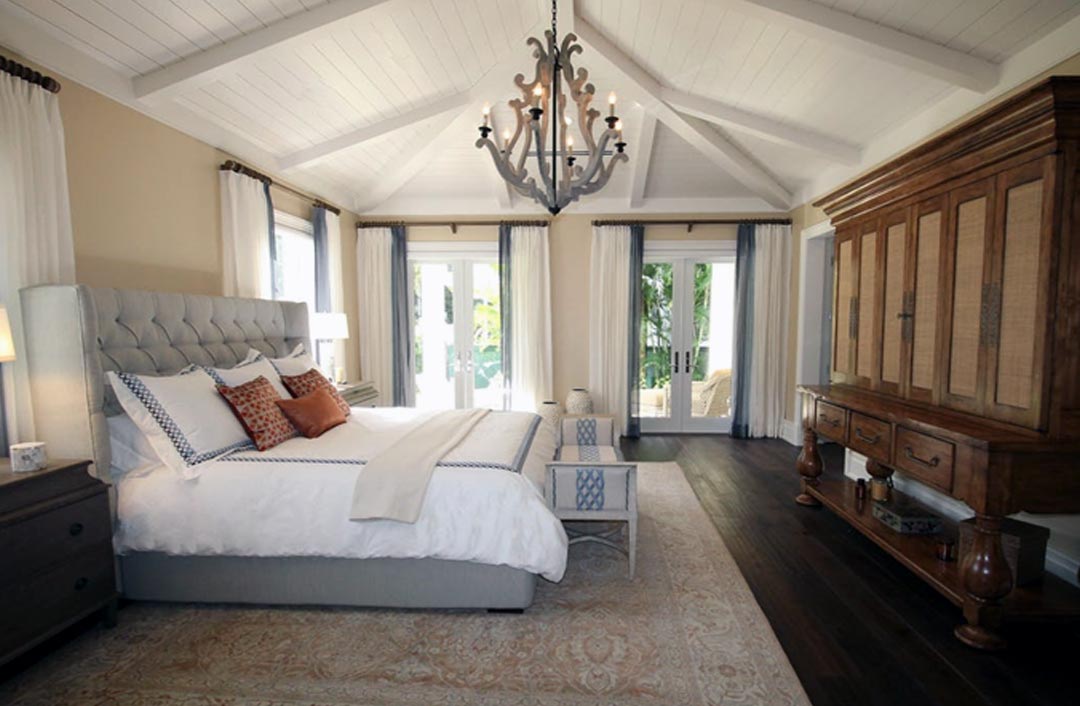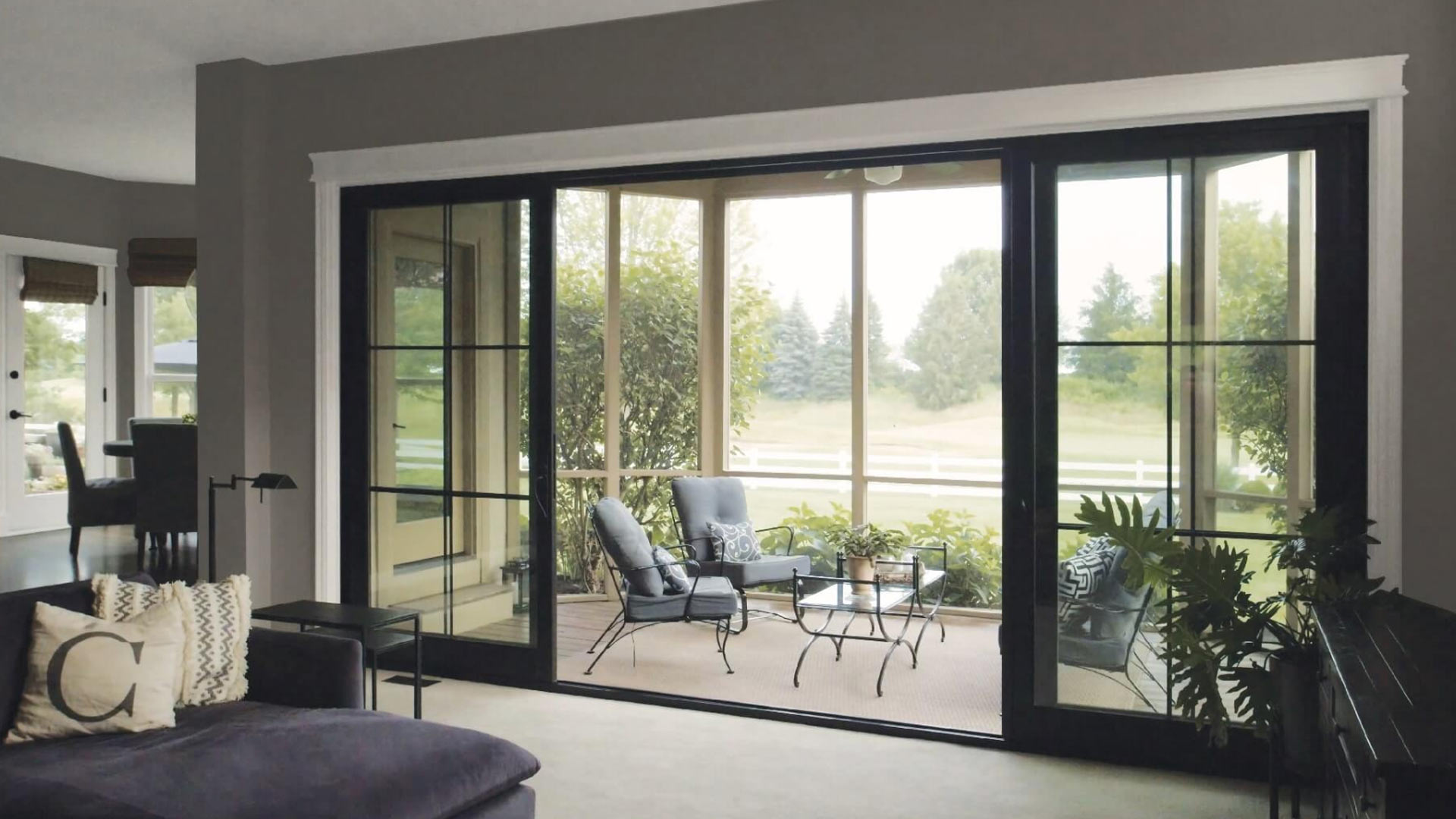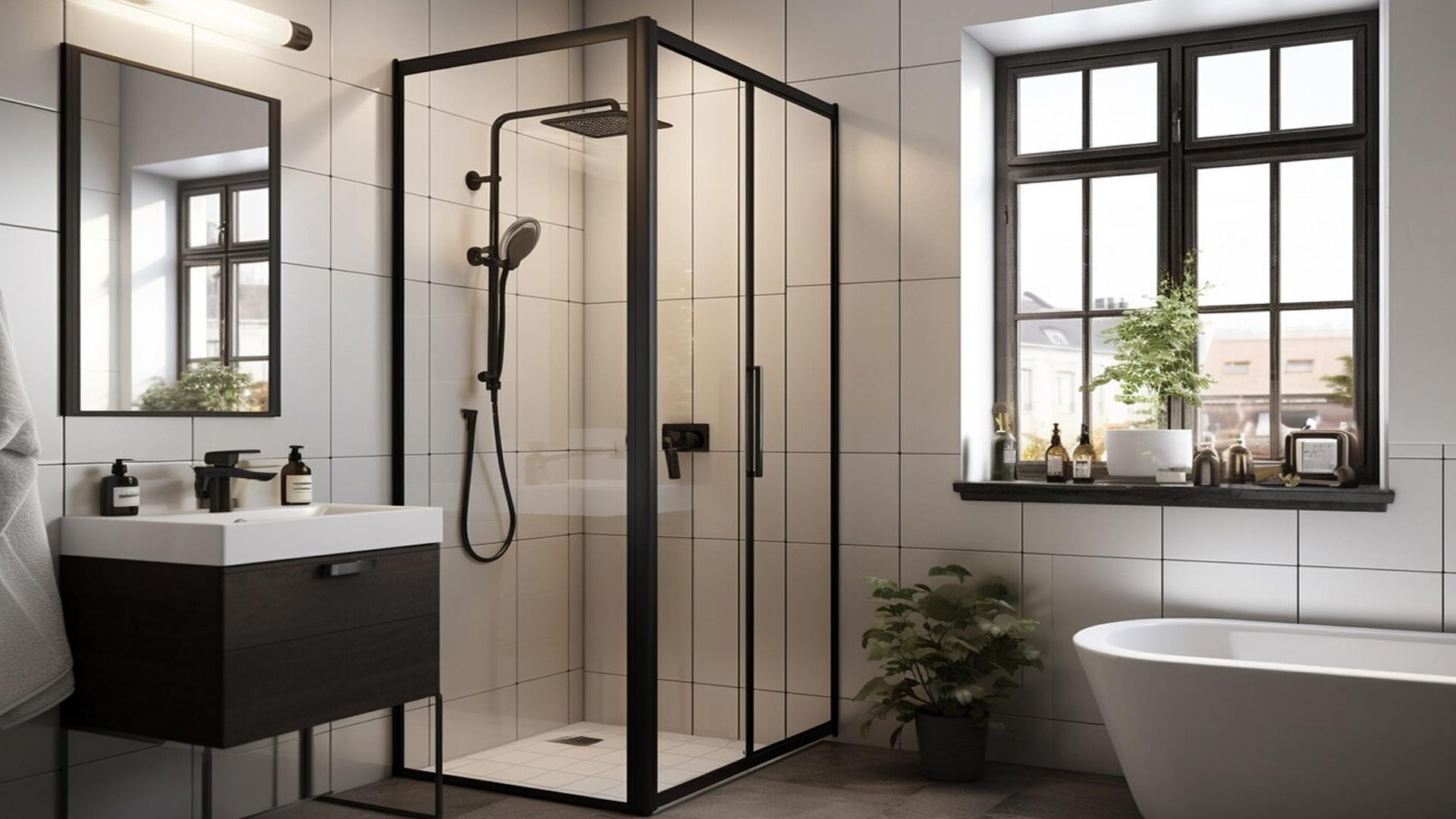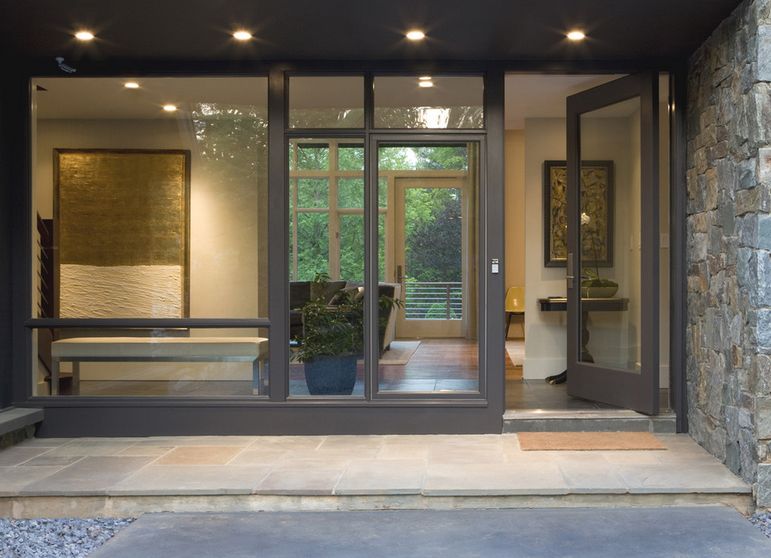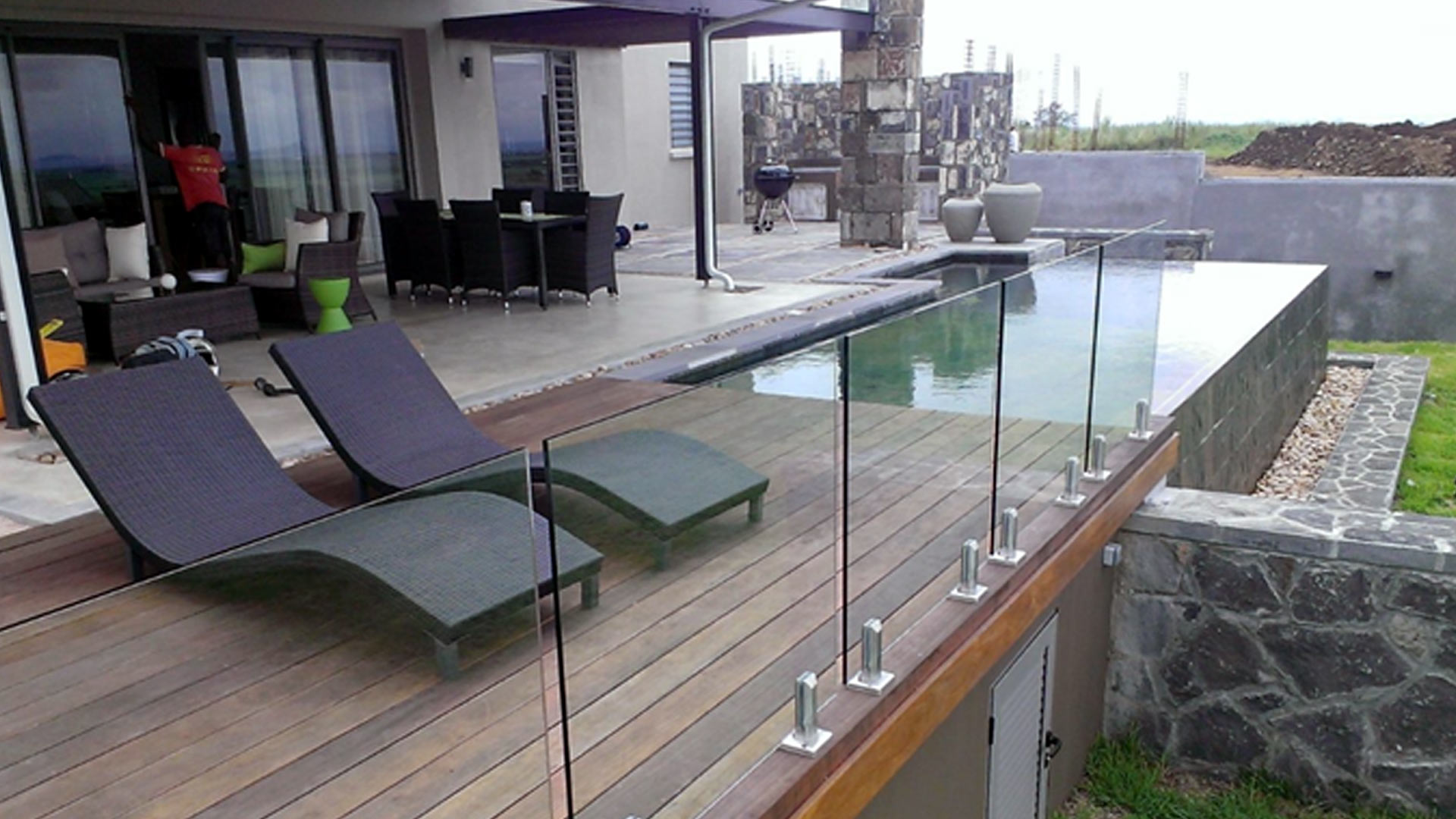
Homeowners want to cut down on their environmental impact and save on utility bills. They’re turning to energy saving windows. These windows help keep your home’s temperature steady, whether it’s cold outside or hot.
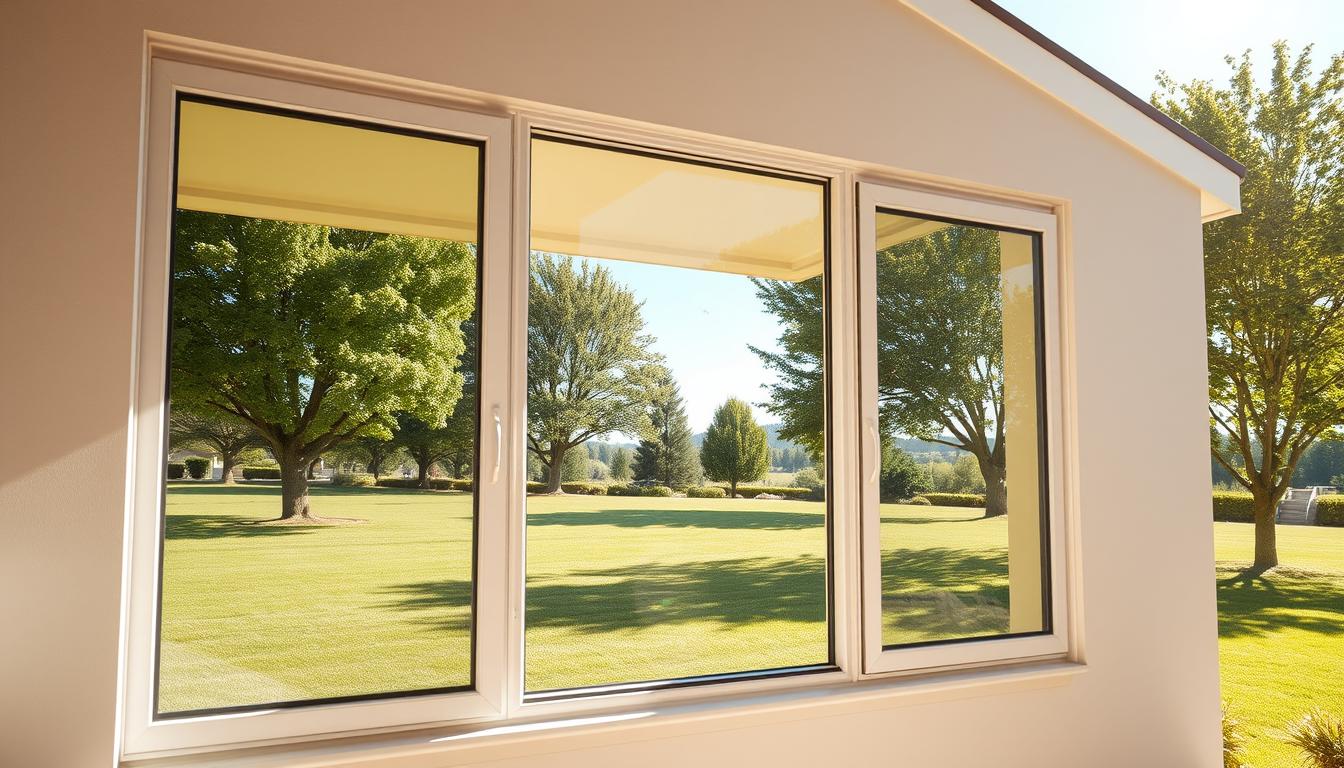
Installing the best energy efficient windows can cut down your energy use a lot. This is good for the planet and can also save you a lot of money on your energy bills in the long run.
When picking windows for your home, there are important things to think about. You want to make sure you get the most energy-efficient ones.
Key Takeaways
- Energy-efficient windows reduce heat transfer, keeping homes comfortable year-round.
- They lead to significant savings on energy bills.
- Proper selection is key to getting the most out of them.
- Homeowners should consider several key factors when choosing energy-efficient windows.
- These windows help reduce environmental impact.
Understanding Energy Efficient Windows and Their Benefits
Homeowners looking to improve their home’s energy use often choose energy efficient replacement windows. These windows help keep your home warm in winter and cool in summer. This means you use less energy for heating and cooling.
What Makes Windows Energy Efficient
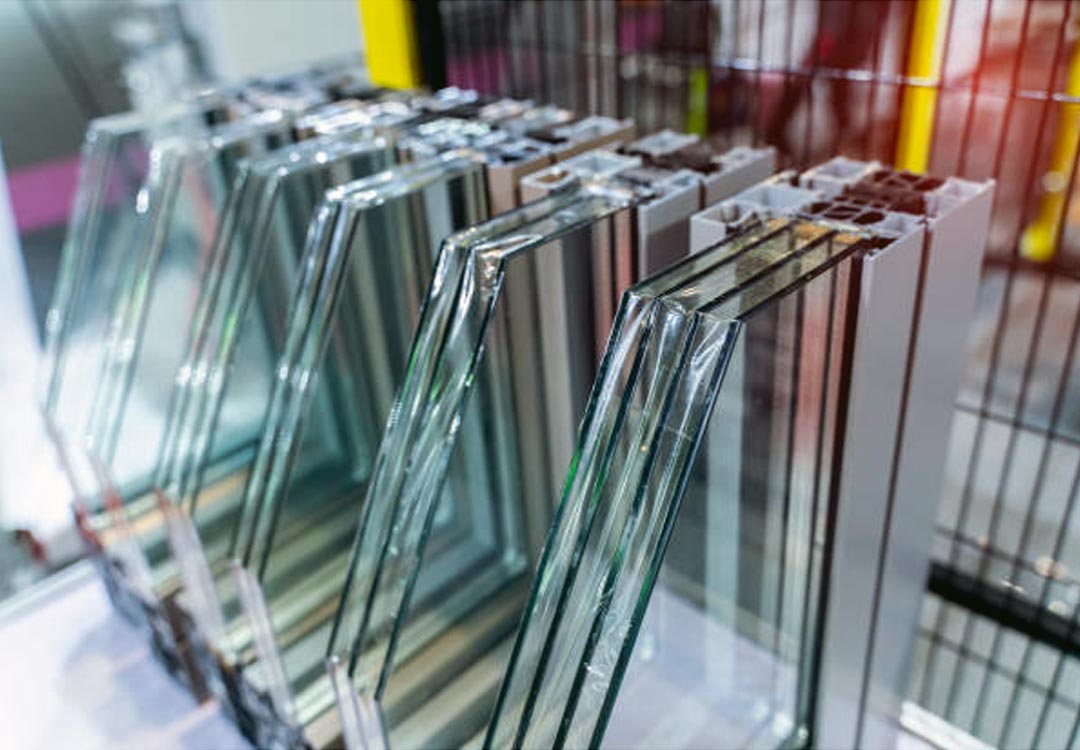
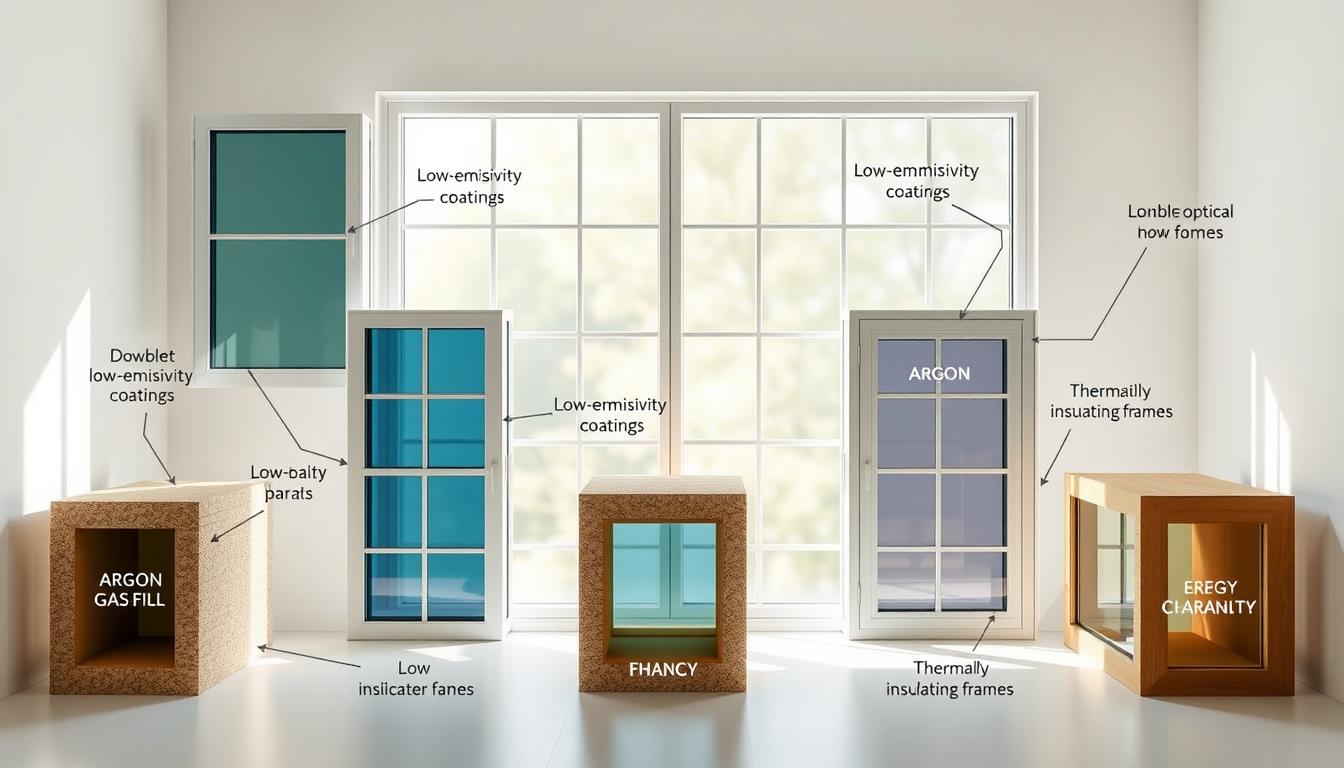
Energy efficient windows stop heat from escaping in winter and entering in summer. They use Low-E glass coatings, double or triple pane glass, and gases like argon or krypton. These features block heat, making your home more comfortable.
Environmental Impact of Energy Efficient Windows
The green benefits of energy star windows are big. They cut down on the need for heating and cooling, which lowers greenhouse gas emissions. This helps the planet and fights climate change.
Utility Bill Savings
Getting energy efficient window installation can also save you money on bills. These windows reduce the work your heating and cooling systems do. This can lead to big savings over time.
In short, knowing about energy efficient windows is key for homeowners wanting to save energy. By picking the right windows and getting them installed right, you help the planet and your wallet.
Consideration #1: Window Materials and Their Energy Performance
When choosing energy-efficient windows, the material matters a lot. Different materials have different energy efficiency, durability, and looks.
Vinyl Windows: Affordable Efficiency
Vinyl windows are made from PVC and are very popular. They are affordable and work well. Vinyl windows are easy to care for and can handle tough weather.
Fiberglass Windows: Durability Meets Performance
Fiberglass windows are durable and efficient. They don’t warp, crack, or fade, lasting a long time. Adding insulation makes them even better at saving energy.
Wood Windows: Traditional with Modern Efficiency
Wood windows add a classic look to homes and are energy-efficient. With the right care, they last a long time. New tech makes wood windows more energy-smart, like using low-E glass.
Aluminum Windows: When and Where They Work Best
Aluminum windows are strong and durable. They’re not as energy-efficient as others because they conduct heat. But, new tech like thermal breaks helps. They’re best for certain climates and uses.
Knowing what each material offers helps homeowners choose the right windows. They can think about their budget, climate, and what they like.
Consideration #2: Glass Technologies for Maximum Energy Efficiency
Energy-efficient windows use advanced glass technologies to keep heat in. The glass type greatly affects a window’s energy use. We’ll look at the key glass technologies that help save energy.
Low-E Glass Coatings Explained
Low-E glass coatings help keep your home warm in winter and cool in summer. They reflect radiant heat instead of absorbing it. Low-E energy efficient windows are key in reducing energy loss.
Double Pane vs. Triple Pane Windows
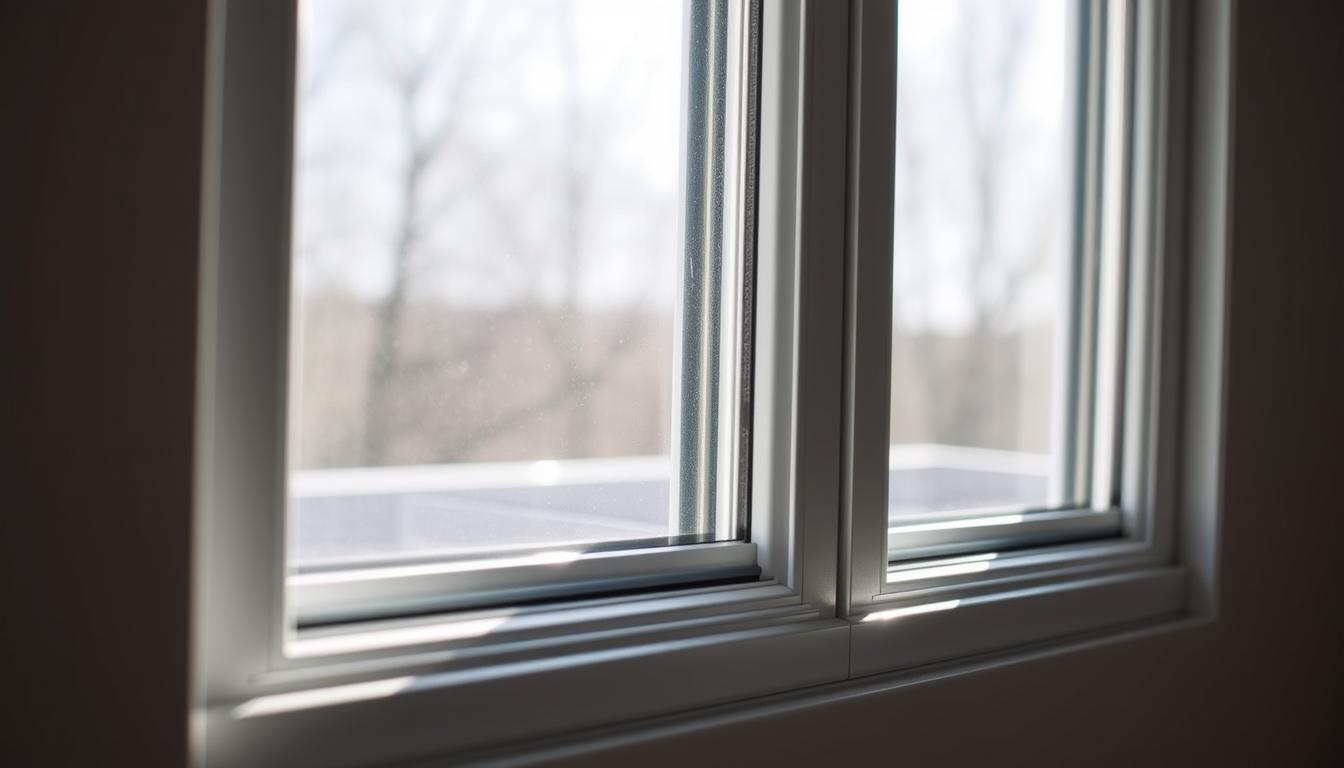
The number of panes in a window matters for energy efficiency. Double pane energy efficient windows have two panes with a gap filled with gas. This design cuts down on heat transfer and boosts insulation. Triple pane energy efficient windows add another pane for even better energy saving. They cost more but work best in extreme weather.
- Double-pane windows are good for most climates, balancing efficiency and cost.
- Triple-pane windows are best for very cold or hot climates, needing top energy efficiency.
Gas Fills: Argon and Krypton
The gas between window panes is key for energy saving. Argon and krypton are used because they conduct less heat than air. Argon is cheaper and works well for most homes, while krypton is better but pricier.
Warm Edge Spacers and Their Importance
Warm edge spacers keep glass panes apart and reduce heat loss at the edges. Traditional metal spacers can cause heat loss. Warm edge spacers, made from materials that conduct less heat, help keep the window efficient.
By using Low-E coatings, double or triple panes, gas fills, and warm edge spacers, windows can save a lot of energy. This reduces energy use and makes homes more comfortable.
Consideration #3: Window Ratings and Certifications
The world of energy-efficient windows can seem complex. But knowing the key ratings and certifications makes choosing easier.
Understanding ENERGY STAR Certification
ENERGY STAR is a program by the U.S. Environmental Protection Agency (EPA). It helps homeowners choose energy-efficient products, like windows. Windows with ENERGY STAR certification save a lot of energy.
They meet EPA’s energy efficiency guidelines. This ensures they save energy, no matter the climate zone.
Key benefits of ENERGY STAR certified windows include:
- Reduced energy consumption
- Lower utility bills
- Enhanced comfort through better temperature regulation
NFRC Ratings: U-Factor, SHGC, and VT
The National Fenestration Rating Council (NFRC) provides unbiased info on window performance. NFRC ratings are key to understanding a window’s energy efficiency. The main ratings to look for are:
U-Factor: Shows how well a window keeps heat in. A lower U-factor means better insulation.
Solar Heat Gain Coefficient (SHGC): Shows how well a window blocks sun heat. A lower SHGC means less sun heat is let in.
Visible Transmittance (VT): Measures how much light a window lets in. A higher VT means more natural light.

Climate Zone Considerations for Window Selection
Different climates need different windows. Knowing your climate zone is key to picking the right windows.
Northern Climate Requirements
In cold climates, windows with low U-factors are essential for keeping heat in. Look for double or triple pane glass with gas fills like argon or krypton for better insulation.
Southern Climate Requirements
In warm climates, focus on reducing solar heat gain. Choose windows with low SHGC ratings to cut down on heat gain and cooling costs.
Mixed Climate Considerations
In areas with mixed climates, find windows that balance U-factor and SHGC. These windows offer good insulation and solar heat gain protection.
Understanding and using these ratings and certifications helps homeowners choose energy-efficient windows. This improves their home’s energy efficiency and comfort.
Comparing Different Types of Energy Efficient Windows
Different energy-efficient windows have their own benefits. Some work better in certain homes or climates. It’s important to think about energy performance, how they work, and how they look.
Casement Windows: The Energy Efficiency Champions
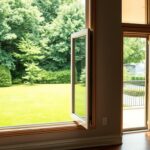
Casement windows are top for energy saving. They open outward with a crank, sealing tight when closed. This design cuts down on air leaks, keeping homes warm or cool.
ENERGY STAR says casement windows are very energy efficient because of their tight seal.
Key Benefits:
- Tight seal minimizes air leakage
- Excellent ventilation control
- Unobstructed views
Double-Hung Windows: Traditional with Modern Efficiency
Double-hung windows are a classic choice with modern updates. They have two sashes that move up and down. Today’s versions use advanced materials for better energy saving.
“Double-hung windows offer a timeless look with the benefits of modern energy efficiency, making them a popular choice among homeowners.” –
A leading window industry expert
Sliding Windows: Space-Saving Efficiency
Sliding windows are great for saving space. They have horizontal sashes that slide, giving a wide view and easy use. With the right features, they can be very energy-efficient.
Advantages:
- Space-saving design
- Easy to operate
- Can be energy-efficient with the right features
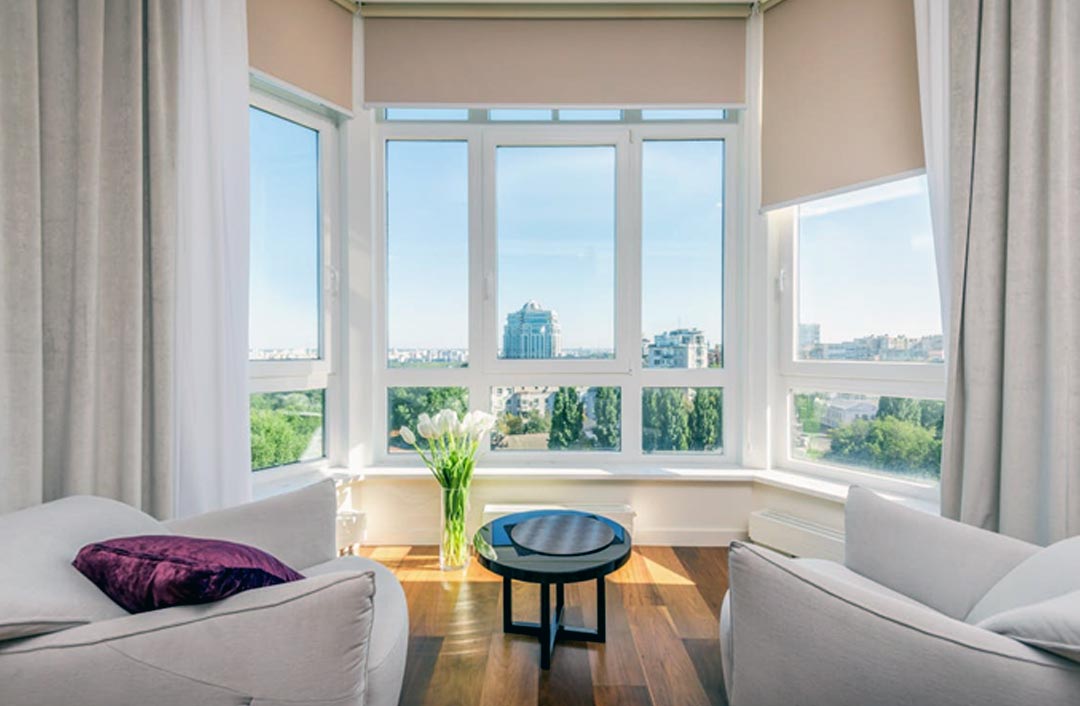
Picture Windows: Maximizing Views and Efficiency
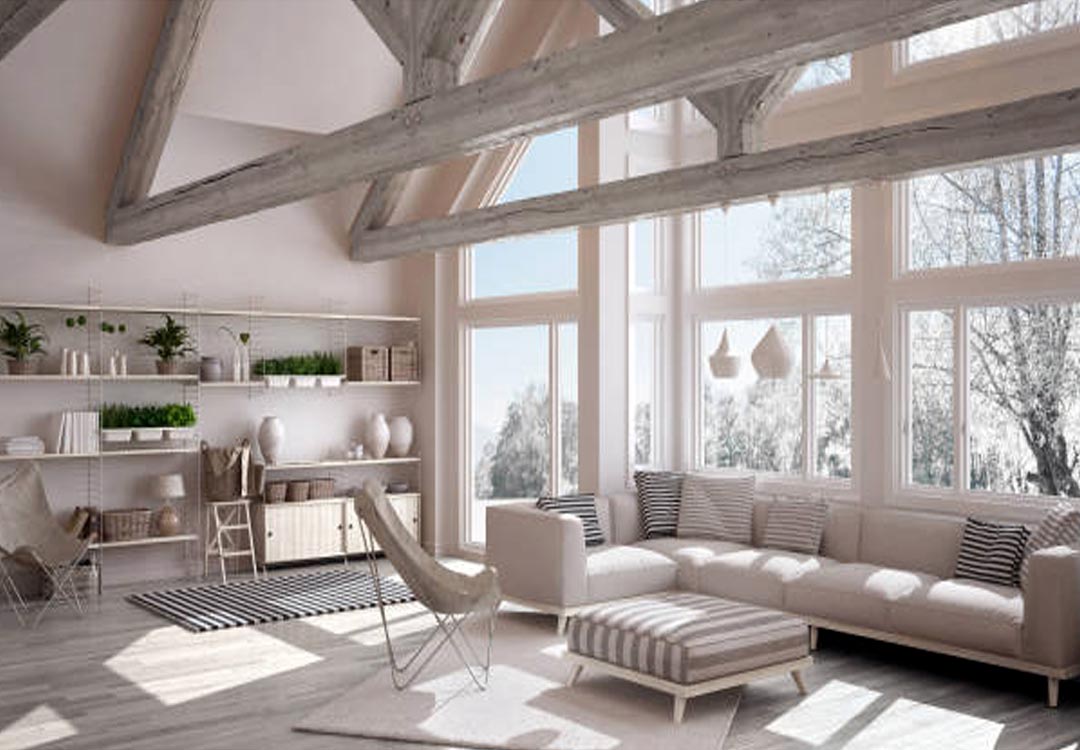
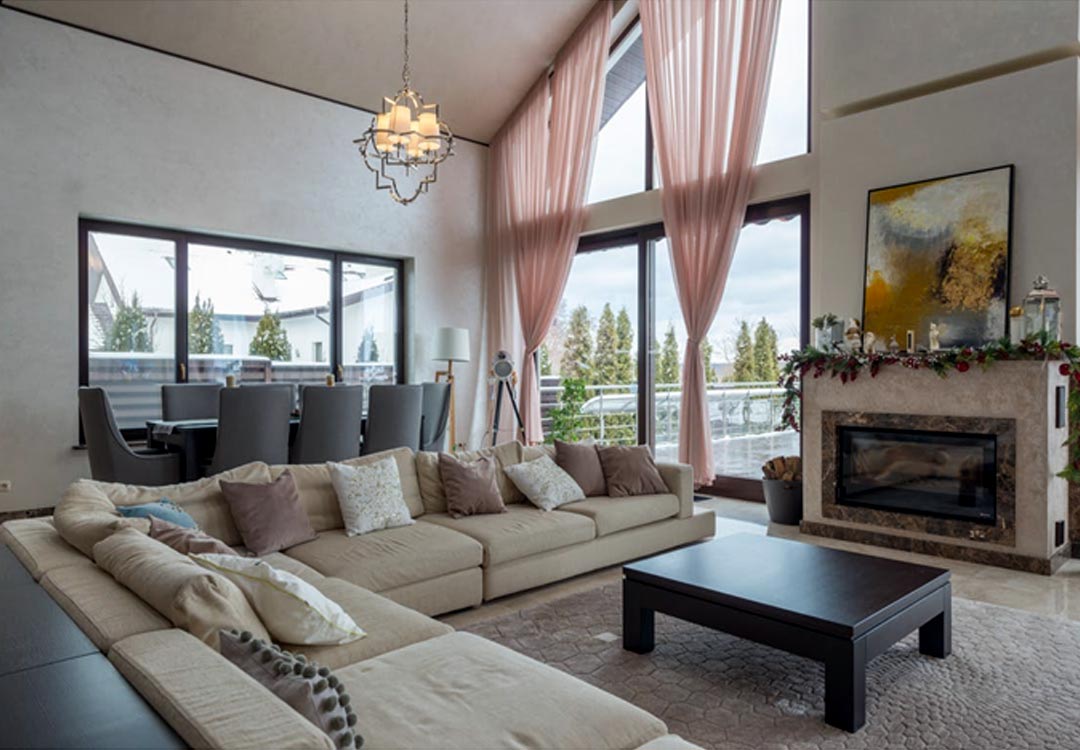
Picture windows are big, fixed windows for great views and light. They don’t open but can work with other windows for air. They can be very energy-efficient with advanced glass.
In conclusion, picking energy-efficient windows depends on many things like climate and home style. Knowing about different windows helps homeowners choose wisely, balancing energy, function, and looks.
Cost Analysis of Energy Efficient Windows
Understanding the cost of energy-efficient windows is key to making a smart choice. The price can change a lot based on materials, size, and how they’re installed.
Initial Investment vs. Long-Term Savings
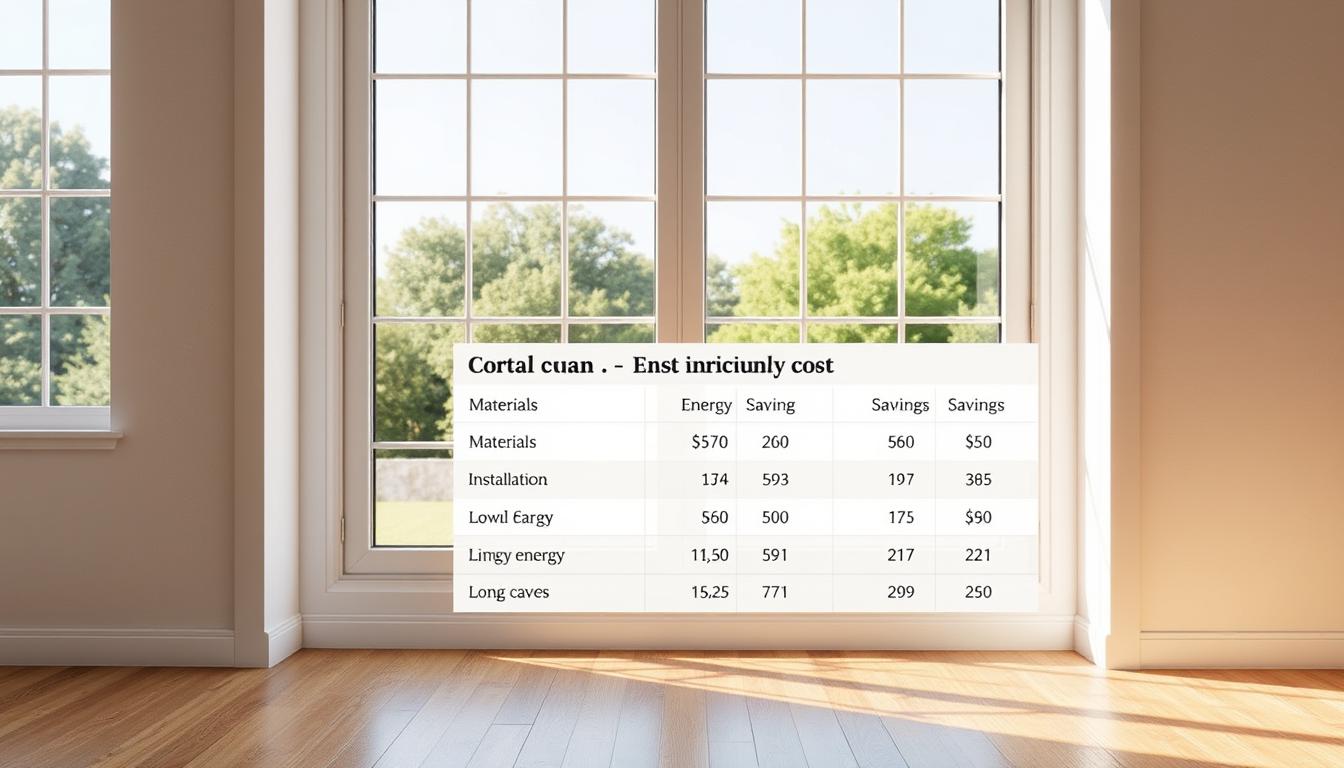
Energy-efficient windows cost more upfront than regular ones. But, they can save you money on bills over time. The U.S. Department of Energy says you could save $125 to $465 a year.
“Energy-efficient windows are a smart choice for saving energy and money,” says Tom Smith, a renowned energy efficiency expert. “Though they cost more at first, the savings and comfort they bring are worth it.”
Price Ranges for Different Window Types
The cost of energy-efficient windows depends on the type and material. Here are some price ranges:
- Vinyl windows: $400-$800 per window
- Fiberglass windows: $600-$1,200 per window
- Wood windows: $800-$1,500 per window
- Aluminum windows: $300-$700 per window
Keep in mind, these prices are just estimates. They can change based on size, installation, and where you live.
Factors That Affect Window Pricing
Several things can affect the price of energy-efficient windows, including:
- Materials: The type and quality of materials used can significantly impact the cost.
- Size: Larger windows or custom sizes can be more expensive.
- Installation costs: Professional installation can add to the overall cost.
- Features: Additional features such as low-E coatings, gas fills, and warm edge spacers can increase the price.
As Jane Doe, a window industry expert, notes, “The cost of energy-efficient windows is not just about the upfront price; it’s about the long-term value they provide to homeowners.”
Professional Installation vs. DIY: What You Need to Know
Installing energy-efficient windows can be done by pros or DIY. Each method has its own pros and cons. Getting it right is key for saving energy and making windows last longer.
The Importance of Proper Installation for Energy Efficiency
Right installation is what makes energy-efficient windows work best. A well-installed window cuts down on heat loss, air leaks, and moisture. A top expert says, “A well-installed window can cut energy bills by up to 30%.”
“The difference between a good window and a great one often lies in the installation,” says John Smith, a renowned window installation expert.
Key factors in proper installation include a tight seal, correct flashing, and fitting the window with insulation.
Finding Qualified Window Contractors
Finding a good contractor is key for a successful install. Look for contractors with energy-efficient window experience. Check their references and make sure they’re licensed and certified.
- Check for certifications from reputable organizations such as the National Fenestration Rating Council (NFRC) or the Window and Door Manufacturers Association (WDMA).
- Request references and review their past work.
- Ensure they have liability insurance and workers’ compensation coverage.
Questions to Ask Before Hiring an Installer
Before hiring, ask important questions to make a smart choice.
- What is your experience with energy-efficient window installations?
- Can you provide a detailed estimate of the costs involved?
- What kind of warranty do you offer on your work?
DIY Installation: Risks and Considerations
DIY can save money but has big risks. These include bad installation, safety hazards, and warranty loss. Think carefully before doing it yourself.
Potential risks of DIY installation include wrong measurements, poor sealing, and safety dangers from heavy windows and heights.
Measuring the ROI of Your Energy Efficient Window Investment
When you think about getting energy-efficient windows, knowing their return on investment (ROI) is key. You need to look at different things that add value to your home.
Calculating Energy Savings Over Time
Energy-efficient windows help cut down on energy use. They keep your home cooler in summer and warmer in winter. This means you’ll spend less on your bills.
To figure out how much you’ll save, think about the window’s U-factor and Solar Heat Gain Coefficient (SHGC). Also, consider your local climate. These windows can save you $125 to $465 a year, depending on where you live and the type of windows you choose.
Increased Home Value and Marketability
Energy-efficient windows also boost your home’s value and appeal. Buyers often pay more for homes with these features. The National Association of Realtors says energy-efficient upgrades, like windows, can recoup up to 100% of their cost when you sell.
Comfort and Noise Reduction Benefits
Energy-efficient windows also make your home more comfortable. They cut down on drafts and cold spots near windows. They can even block out more noise.
Double or triple-pane windows filled with gas like argon or krypton are great at keeping noise out and keeping your home at a steady temperature.
Maintenance Costs and Longevity
When looking at the ROI of energy-efficient windows, don’t forget about maintenance costs and how long they last. Even though they cost more upfront, they’re durable and need little upkeep. This can save you money in the long run.
Vinyl and fiberglass windows are good examples. They last a long time and don’t need much care.
In summary, figuring out the ROI of energy-efficient windows means looking at energy savings, increased home value, comfort, and maintenance. By understanding these points, you can make smart choices about replacing your windows.
Conclusion: Making the Right Choice for Your Home
Choosing the right energy efficient windows is key for your home’s comfort and value. It affects how much energy you use and your home’s worth. By looking at materials, glass tech, and ratings, you can pick wisely.
Windows with Low-E glass and double or triple panes save a lot on bills and cut down on carbon. Think about your climate, window placement, and local rules to get the best results.
Deciding on energy efficient windows means balancing upfront costs and long-term savings. Thanks to financing, tax breaks, and incentives, it’s easier to invest in these windows. They make your home more comfortable and valuable, and help the planet too.
By choosing energy efficient windows, you make your home cozier and support a greener future. It’s part of a bigger plan to improve your home and the planet.
Browse Energy Efficient Windows 3 Things to Consider FAQ’s
Energy-efficient windows help keep your home comfortable by reducing heat loss. They use special materials and technologies. This includes Low-E coatings and gas fills to keep your home warm in winter and cool in summer.
Energy-efficient windows save energy and lower your bills. They make your home more comfortable and reduce your carbon footprint. They also increase your home’s value and appeal.
Look for the ENERGY STAR label on windows. It shows they meet energy standards. You can also check NFRC ratings for more info on their energy performance.
Double pane windows have two glass layers. Triple pane windows have three. Triple pane windows are more efficient, keeping your home warmer in cold climates.
Energy-efficient windows cost more upfront. But, they save money on energy bills and increase your home’s value. The savings and benefits can make up for the higher cost.
You can install windows yourself, but hiring a pro is usually better. A professional ensures proper installation for maximum energy efficiency. Wrong installation can lead to energy loss and other problems.
Energy-efficient windows’ lifespan varies. It depends on materials, installation, and maintenance. On average, they last 20 to 30 years or more.
Yes, they can. Energy-efficient windows provide better insulation and seal gaps. This reduces noise pollution, which is great for homes in noisy areas.
Choose windows based on your climate. Look at U-factor, SHGC, and VT ratings. ENERGY STAR and NFRC ratings can guide you in picking the right windows for your area.
Choose a Reliable Window and Glass Installation Company
Relying on an unprofessional window and glass repair services provider can be a big mistake. It will increase the project cost and duration and lead to recurring window issues. When choosing an energy-efficient window and glass installation company, consider the following:
- Industry experience
- Past projects
- Quality of services
- Customer testimonials
- Range of services
- Technician expertise
- Workmanship
- Attention to detail
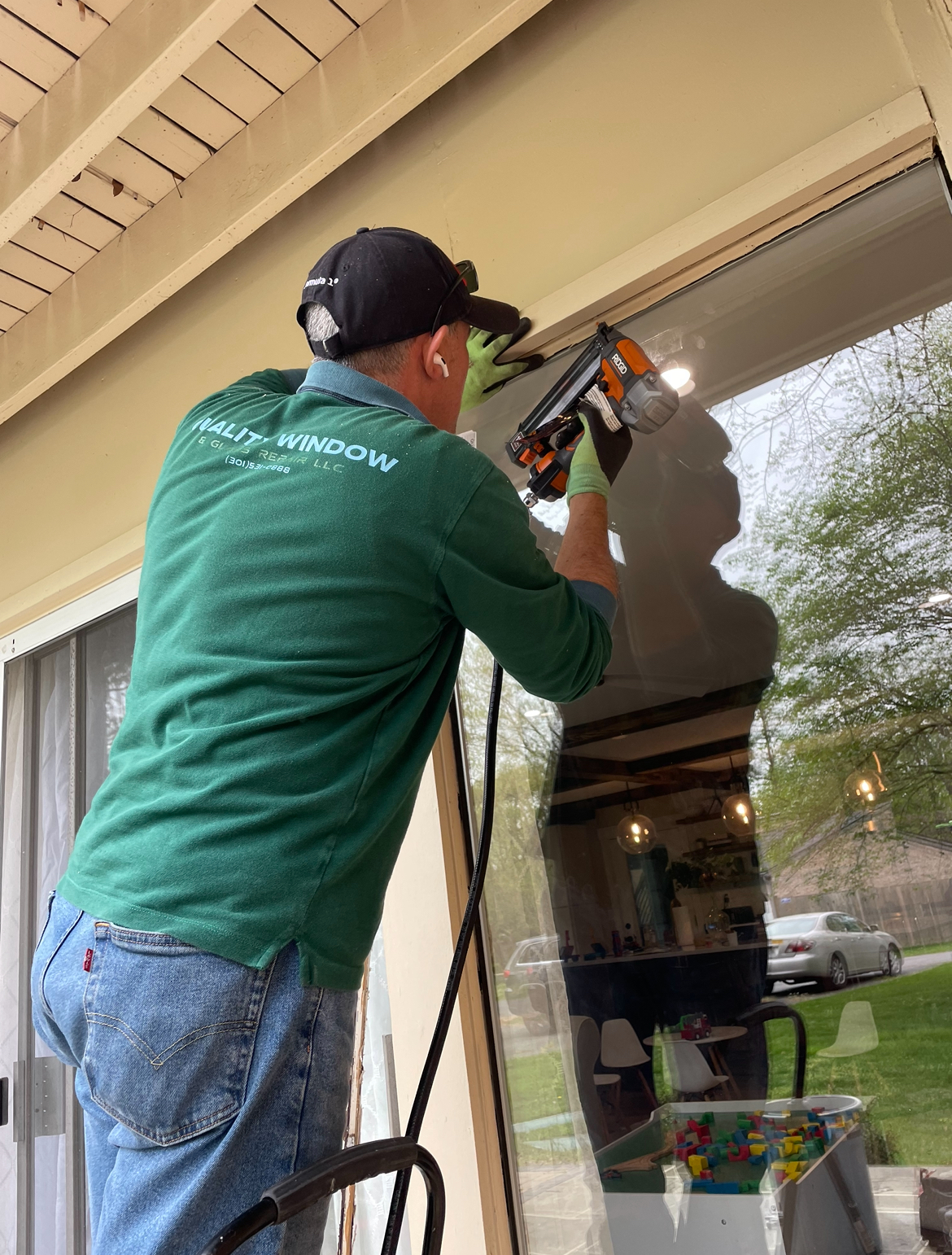
Lucky for you, Quality Window & Glass Repair LLC offers all of these benefits under one roof. Our workers undergo training to perform high-end glass inspections and replacements, along with energy-efficient window installations..
Decide Window Positioning and Placement
Next, you need to decide the position and place of your new energy-efficient windows. Getting the windows installed in the right direction is crucial to maximize their benefits.
You need to consider the region as well. In colder regions, heating is the main source of energy costs due to continuous thermostat operation. The MidAmerican Energy Company reveals that decreasing your home’s temperature by only 2 degrees can reduce 8% of the bill costs. This value can increase if you install tightly sealed, weather-stripped windows!
Trusted Window Glass Repair Services in MD
Quality Window & Glass Repair LLC is a reliable and renowned residential and commercial window and door glass repair services provider in MD. We specialize in emergency glass door replacement, foggy window insulated glass replacement, and many other solutions.
Our experts are skilled and fully trained to perform all types of window and door glass replacement. We use only the best and most advanced insulation techniques and repair practices.
Take the First Step Today:
📞 (301) 531-0888
📧 info@qgrepair.com
📍 Serving all DMV from our Germantown