Types of Commercial Windows: A Complete Guide
Choosing the right commercial window installation or commercial window replacement is key for businesses. Commercial windows affect a building’s look and its energy use and safety.
Commercial windows vary in style and material, each with its perks. You can find casement, sliding, fixed, and bay windows. Knowing the different types and their uses helps you make a smart choice.
Key Takeaways
- Commercial windows greatly affect a building’s energy use and safety.
- There are many types of commercial windows, like casement, sliding, fixed, and bay windows.
- Picking the right window is very important for businesses.
- It’s vital to know the benefits and uses of each window type.
Good commercial window installation or replacement can make a building look better.

The World of Commercial Windows
Commercial glass windows are key in defining a building’s look and energy use. They are made for commercial spaces, unlike home windows.
What Defines Commercial Windows
Commercial windows must handle tough weather and look good. They are built to last and meet high standards.
Performance Requirements
These windows need to save energy, be secure, and last long. High-performance glazing technologies help them meet these needs.
Structural Differences
Commercial windows have to be strong because they face more stress. They are bigger and hold more weight than home windows.
How Commercial Windows Differ from Residential Options
Commercial windows are bigger and follow stricter rules than home windows. They often need custom designs to match a building’s unique look.
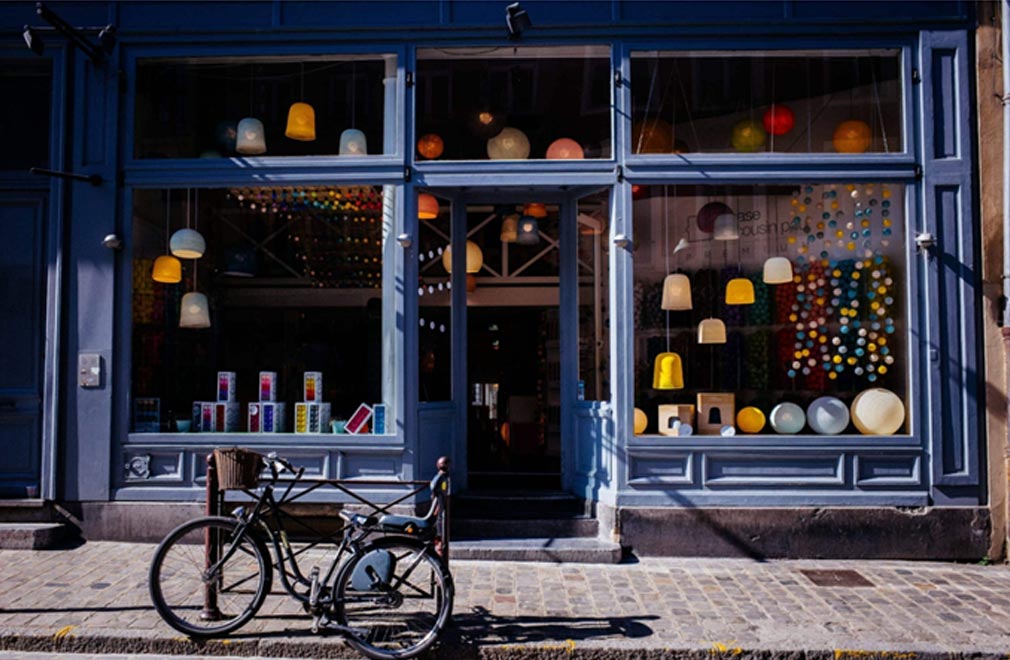
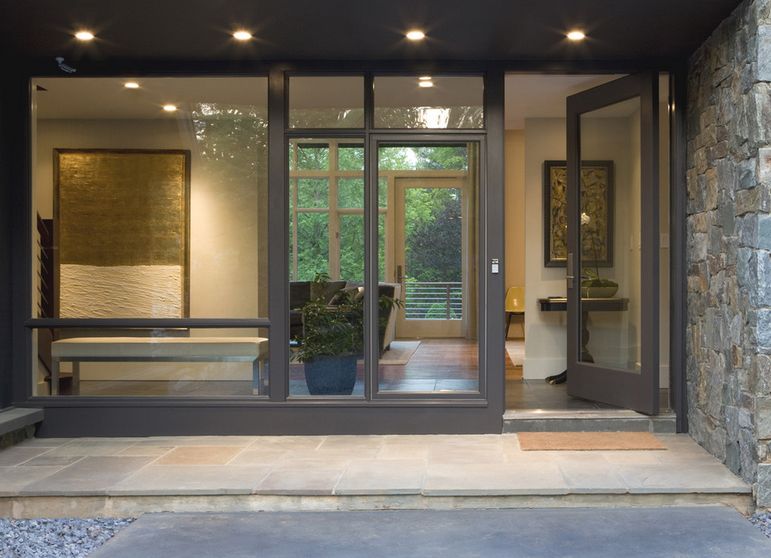
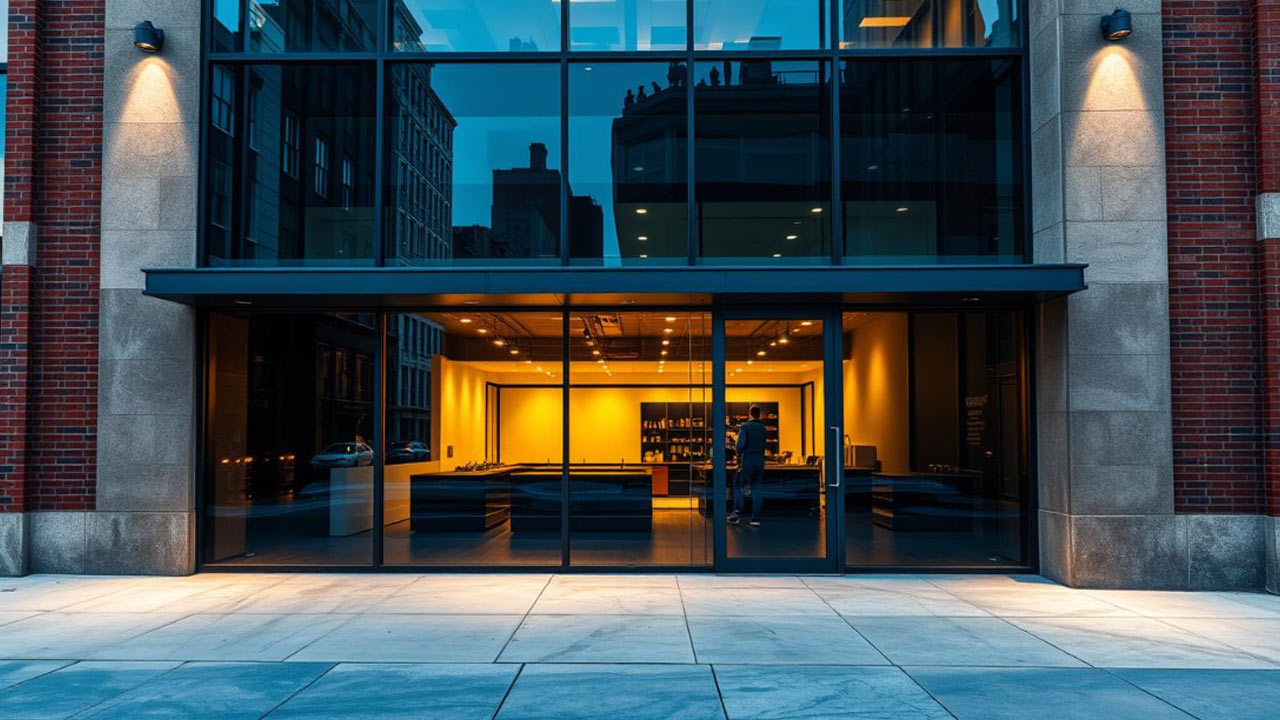
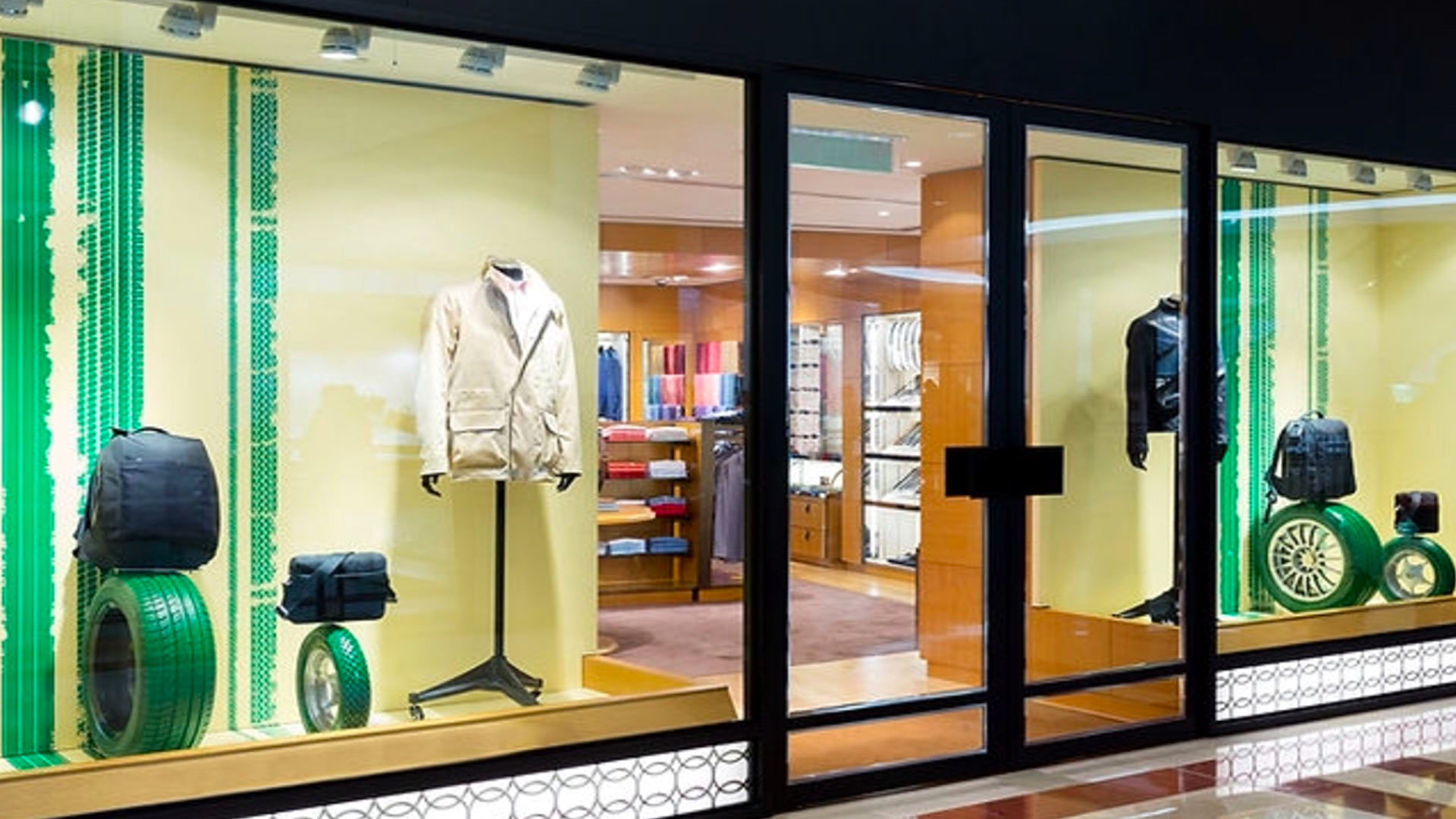
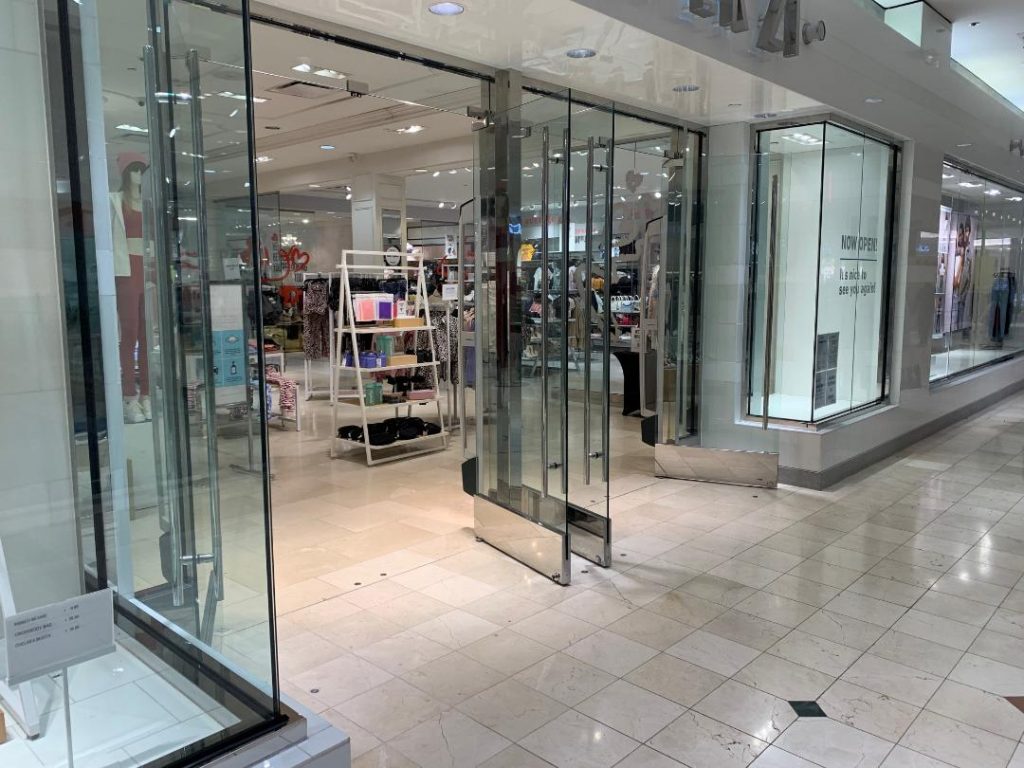
Storefront windows are a special type. They make a building look good and let people see inside
Popular Types of Commercial Windows
Commercial windows come in many styles, each with its own benefits. Knowing these differences helps you pick the right windows for your business.
Fixed Windows
Fixed windows don’t open and let in lots of natural light. They work well with other window types.
Picture Windows
Picture windows are fixed and offer big views. They are large and connect indoor and outdoor spaces.
Architectural Shapes
Windows in shapes like circles or triangles add unique designs. They can be made from commercial aluminum windows and more.
Casement Windows
Casement windows open by swinging out. They are great for ventilation and sealing.
Sliding Windows
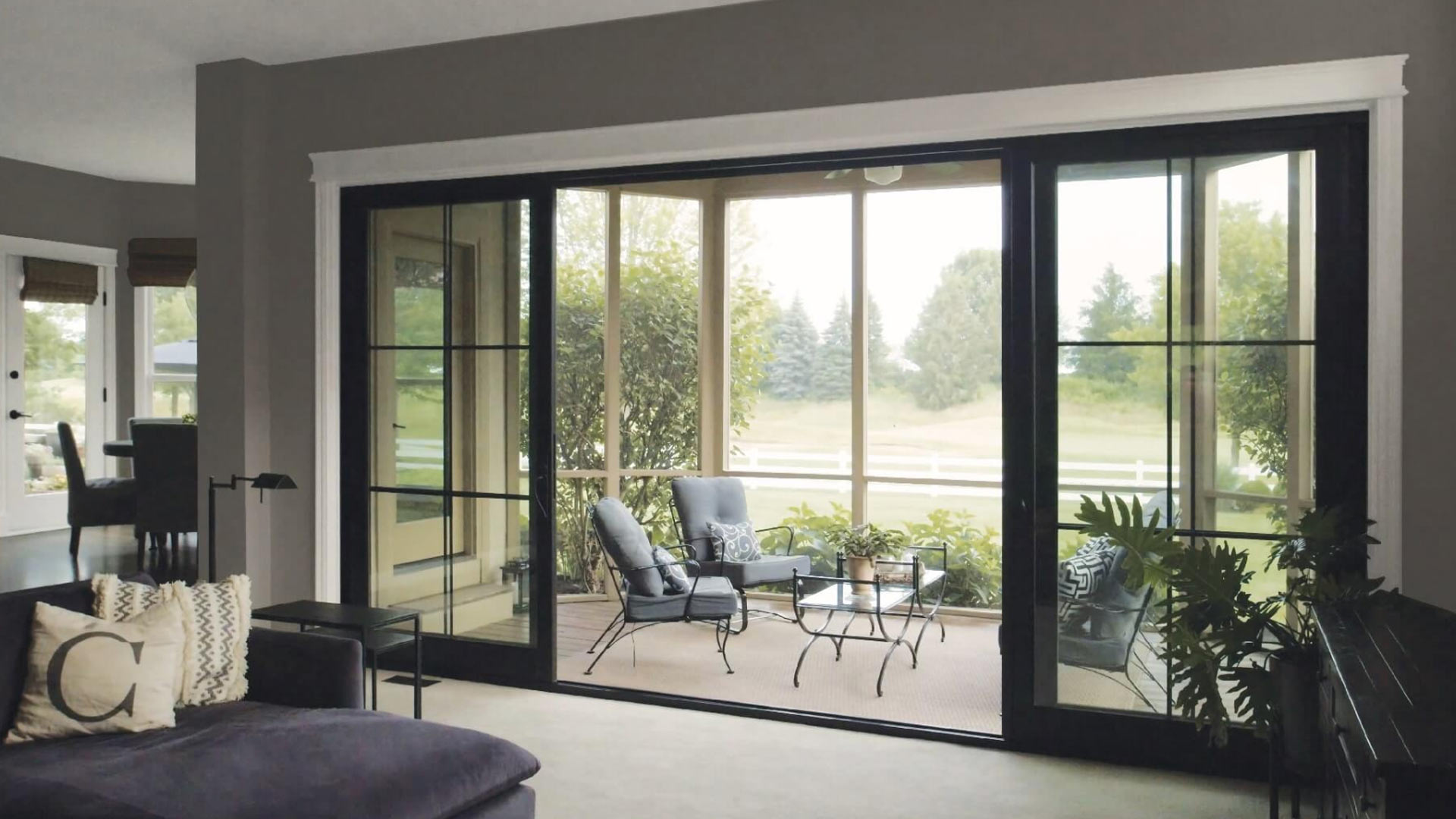
Sliding windows move side to side. They are easy to use and maintain, making them popular.
Awning and Hopper Windows
Awning windows open from the top, and hopper windows from the bottom. Both let in air while keeping rain out.

When picking commercial windows, think about commercial window glazing and material. Custom commercial windows can meet your business needs, blending function and beauty.
Storefront Window Systems
Commercial properties use storefront window systems to welcome customers and keep employees safe. These systems look good and help save energy. They are key to a building’s look and function.
Aluminum Storefront Systems
Aluminum storefront systems are loved for their strength, flexibility, and value. They look sleek and can match many building styles. Aluminum frames are great because they are strong yet light. This lets them hold big windows without weakening the building.
Glass Curtain Walls
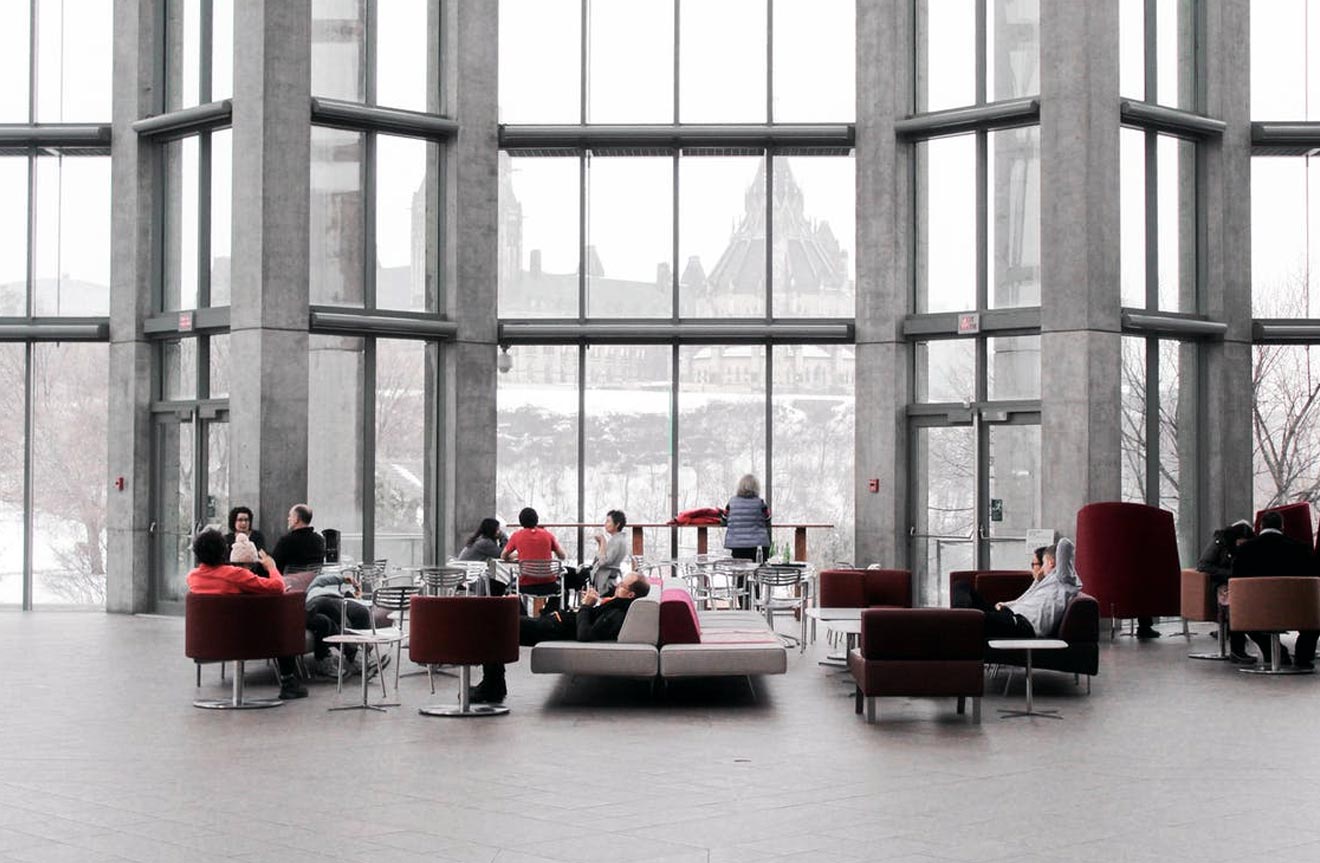
Glass curtain walls are a big part of today’s commercial design. They blend indoor and outdoor spaces, bringing in lots of light. Glass curtain walls can also meet energy and safety needs, making them useful for many places.
Display Window Configurations
Display windows are vital for shops, showing off products and adding to the store’s look. Good display windows let customers see what’s inside while keeping things safe.
Visibility and Security Balance
Finding the right mix of seeing and safety is key in storefront design. This means picking materials and glass types that let in light but also keep things safe.

By thinking about these things, businesses can make window systems that look good and keep things safe. This makes shopping better and protects their property.
Materials Used in Commercial Windows
The material choice for commercial windows greatly affects their performance and life span. Different materials are used, each with its own benefits and meeting various needs and tastes.
Aluminum Commercial Windows
Aluminum is a top pick for commercial windows. It’s strong, durable, and easy to care for. Aluminum commercial windows are great for big glass panes without losing strength.
Durability and Maintenance
Aluminum windows resist corrosion and weather well. They need little upkeep, as they don’t need frequent painting or treatments. This makes them cost-effective over time.
Steel Frame Options
Steel frames are strong and good for big, clear glass areas. They can be finished in many ways to look good and last long.
Vinyl and Composite Materials
Vinyl and composite materials are becoming more popular. They’re energy-efficient and versatile in looks. Insulated commercial windows from these materials help save on energy costs by keeping heat in or out.
Wood and Clad Options
Wooden frames offer a classic look and can be clad for more durability. Wood and clad options mix beauty with function, fitting many commercial needs.
When picking materials for commercial windows, think about durability, upkeep, energy use, and looks. The right choice ensures windows meet both function and design needs.

Commercial Window Glazing Technologies
Commercial window glazing has seen big improvements. These changes make buildings more energy-efficient and sustainable. The right glazing technology is key to a window’s energy performance.
Single, Double, and Triple Glazing
Commercial windows often have single, double, or triple glazing. Double and triple glazing use air or gas to keep heat in. This makes them better at insulating.
Low-E Glass Technology
Low-E glass helps keep heat out while letting light in. It’s a big step up in making windows more energy-efficient.
Tinted and Reflective Glass
Tinted and reflective glass options are also available. They help control solar heat and reduce glare, saving on cooling costs.
Solar Control Properties
Tinted and reflective glasses can be made to control solar heat. They also improve visibility.
Gas Fills and Spacers
Gas fills like argon or krypton, and advanced spacers, boost thermal performance. They work with double and triple glazing.
The table below shows the main features and benefits of different glazing technologies:
| Glazing Technology | Key Features | Benefits |
| Double Glazing | Two panes with gas fill | Improved insulation, reduced heat transfer |
| Low-E Glass | Low emissivity coating | Minimized heat transfer, improved energy efficiency |
| Tinted/Reflective Glass | Solar control properties | Reduced cooling costs, minimized glare |

Energy-Efficient Commercial Windows
Businesses are now focusing on reducing their environmental impact. Energy-efficient commercial windows play a key role in this effort. They help cut down on energy costs and support sustainable building designs.
ENERGY STAR Rated Options
ENERGY STAR-rated commercial windows meet strict energy efficiency standards. The U.S. Environmental Protection Agency sets these standards. These windows are made to perform well, keeping buildings cool in summer and warm in winter.
Thermal Performance Factors
Thermal performance is vital for energy-efficient windows. It depends on glazing type, frame material, and gas fills.
U-Factor and SHGC Ratings
The U-Factor and Solar Heat Gain Coefficient (SHGC) are key metrics. The U-Factor shows how well a window stops heat loss. SHGC measures how well it blocks solar heat.
LEED-Certified Commercial Windows
LEED (Leadership in Energy and Environmental Design) is a top standard for green buildings. LEED-certified windows meet high energy efficiency and environmental standards.
Return on Investment Calculations
Energy-efficient windows offer big savings on energy costs. To see the return on investment, consider energy savings, incentives, and increased property value.
| Window Type | U-Factor | SHGC | Energy Savings |
| Double Glazed | 0.30 | 0.40 | 20% |
| Triple Glazed | 0.20 | 0.30 | 30% |

Specialty Commercial Windows
Specialty commercial windows are made for different needs. They are used in places that need extra security or quiet. These windows make buildings work better and safer.
Impact-Resistant Commercial Windows
Impact-resistant windows can handle tough weather like hurricanes. They have special glass that stays together even when broken. This keeps out wind-borne debris.
Hurricane and Storm Protection
“Using impact-resistant windows can greatly lower damage risk in bad weather,” says a window expert. They are great for places hit by hurricanes. They offer more safety and peace of mind.
Fire-Rated Window Systems
Fire-rated windows are key for buildings that must follow fire safety rules. They stop fire and smoke from spreading. This helps people get out safely.
Soundproof Commercial Window Options
Soundproof windows are perfect for noisy places, like near highways or airports. They have special glass and frames to block sound. This makes work places quieter and more comfortable.
Security-Enhanced Windows
Security windows add extra protection against intruders. They have strong glass and frames. This makes buildings more secure.
In summary, specialty commercial windows have many benefits. They meet specific business needs. By picking the right window, businesses can boost security, cut down noise, and improve building performance.
Commercial Window Installation Process
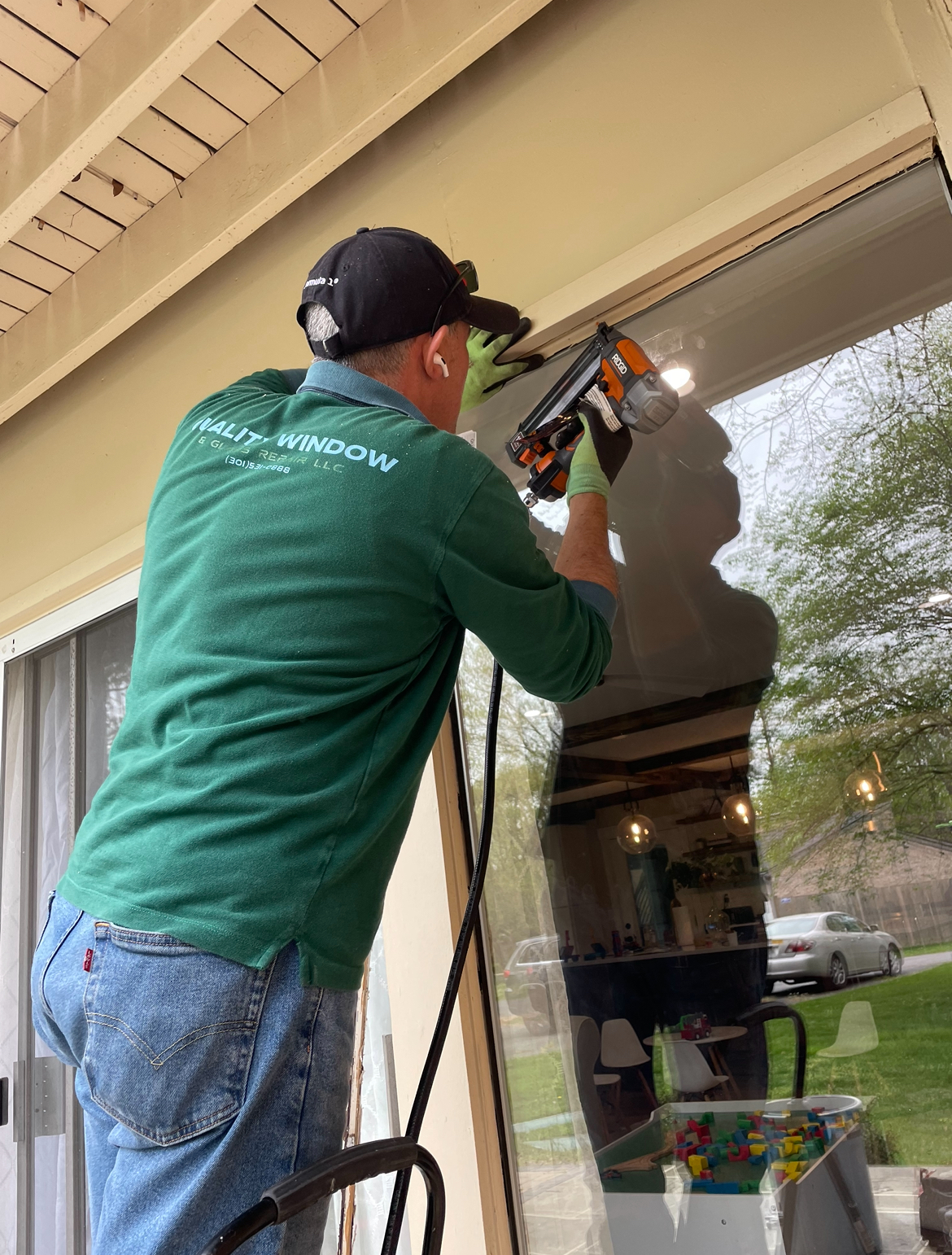
Installing windows in commercial buildings is complex. It needs careful planning and a deep understanding of the project. A good installation comes from detailed planning, precise work, and teamwork with skilled experts.
Pre-Installation Planning
Planning is key before starting. You must check the building’s structure and pick the right windows. Also, make sure you have all the materials needed. Pre-installation planning helps spot and fix problems early, making the process smoother.
Commercial Window Installation Timeline
The time it takes to install windows varies. It depends on the building size, number of windows, and how complex the job is. Knowing the installation timeline lets businesses plan better and reduce work interruptions.
Working with Commercial Window Contractors
Finding the right contractor is essential. You should check their experience, references, and if they are licensed and insured.
Selecting Qualified Professionals
Choose a contractor with a good history in commercial window work. Check their credentials and ask for references to make sure they are experts.
Permitting and Code Compliance
It’s important to follow local building codes and regulations. Your contractor should know these rules and take care of the necessary permits.
Maintenance and Repair of Commercial Windows
Keeping commercial windows in good shape is key to a building’s energy efficiency. Regular care extends their life and keeps them working well. This cuts down on energy costs and makes the building more comfortable for everyone.
Routine Maintenance Schedule
Having a regular maintenance plan is vital for commercial windows. It includes cleaning the glass and frames, checking seals and glazing for damage, and oiling moving parts. These tasks should be done at least twice a year, or more often in tough environments.
- Inspect and clean window frames and sills
- Check for and repair any damaged or missing seals
- Lubricate hinges and other moving parts
Common Issues and Solutions
Even with regular care, commercial windows can face problems. Two big issues are condensation and seal failures.
Condensation Problems
Condensation happens when moisture in the air hits the window. It’s often due to high humidity or poor window quality. To fix it, improve air flow, use dehumidifiers, or get better windows.
“Condensation on windows not only obstructs the view but can also lead to mold growth and damage to surrounding structures.” –
Building Maintenance Guide
Pro Tip: Condensation on windows not only obstructs the view but can also lead to mold growth and damage to surrounding structures.
Seal Failures
Seal failures in double or triple-glazed windows can make them less energy-efficient. Look for fogging between the glass as a sign. Fixing or replacing the windows can fix this problem.
| Issue | Cause | Solution |
| Condensation | High humidity, poor window performance | Improve ventilation, upgrade windows |
| Seal Failure | Age, manufacturing defects | Replace seals, upgrade to new windows |
Commercial Window Repair Services
For serious problems, get help from commercial window repair services. They can fix seals, and glass, or even replace windows. Pick a service with experience in commercial window care.
Effective maintenance and repair of commercial windows lead to better energy use, lower costs, and happier occupants.
Book Same-Day Repair in DC/MD/VA
Browse Types of Commercial Windows: A Complete Guide FAQ’s
Energy-efficient commercial windows cut down on energy use. They also lower your utility bills and help the environment. Plus, they make your space more comfortable and productive.
Think about visibility, security, and energy efficiency when picking windows for retail. Also, consider the style and design. Make sure they match your brand’s look.
Single glazing has one pane of glass. Double glazing has two panes with a gap in between. Triple glazing has three panes. Double and triple glazing are better at keeping heat in, block noise, and save energy.
Keeping your windows in good shape is key. Check and clean them at least twice a year. Fix any problems right away to avoid bigger issues.
Impact-resistant windows can handle extreme weather like hurricanes. They’re used in places that often get hit hard by storms, like coastal areas. They offer better safety and protection.
Sometimes, you can fix commercial windows. But if the damage is big or the windows are old, it might be cheaper to replace them.
Choose a trusted and skilled contractor for your window installation. Make sure they’re licensed, certified, and insured. Also, check their online reviews and ask for references.
LEED-certified windows meet high standards for energy and environmental performance. They help you get LEED certification, save energy, and cut down on costs.
Conclusion: Making the Best Commercial Window Investment
Choosing the right commercial windows can greatly improve a business’s energy use, look, and profits. Different types of windows, like fixed, casement, and sliding, have their own advantages. They can be customized to fit a business’s specific needs.
Energy-efficient windows are a smart choice because they save money on energy costs. The material, glazing tech, and how well they’re installed all affect their performance and life span.
Knowing about the various commercial window options is key. Consider things like energy savings, upkeep, and cost. This way, businesses can make smart choices that boost their work and cut down on expenses. Whether you need new windows or to replace old ones, talking to a pro can lead to the best outcome for your installation.
Limited-Time Offer for New Clients:
Book your free design consultation by [date] and receive:
- 3D renderings of your space
- Customized cost estimate
- 10% discount on installations scheduled before [date]
Take the First Step Today:
📞 (301) 531-0888
📧 info@qgrepair.com
📍 Serving all DMV from our Germantown